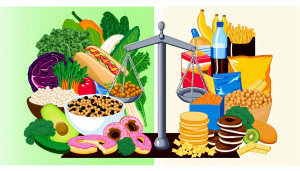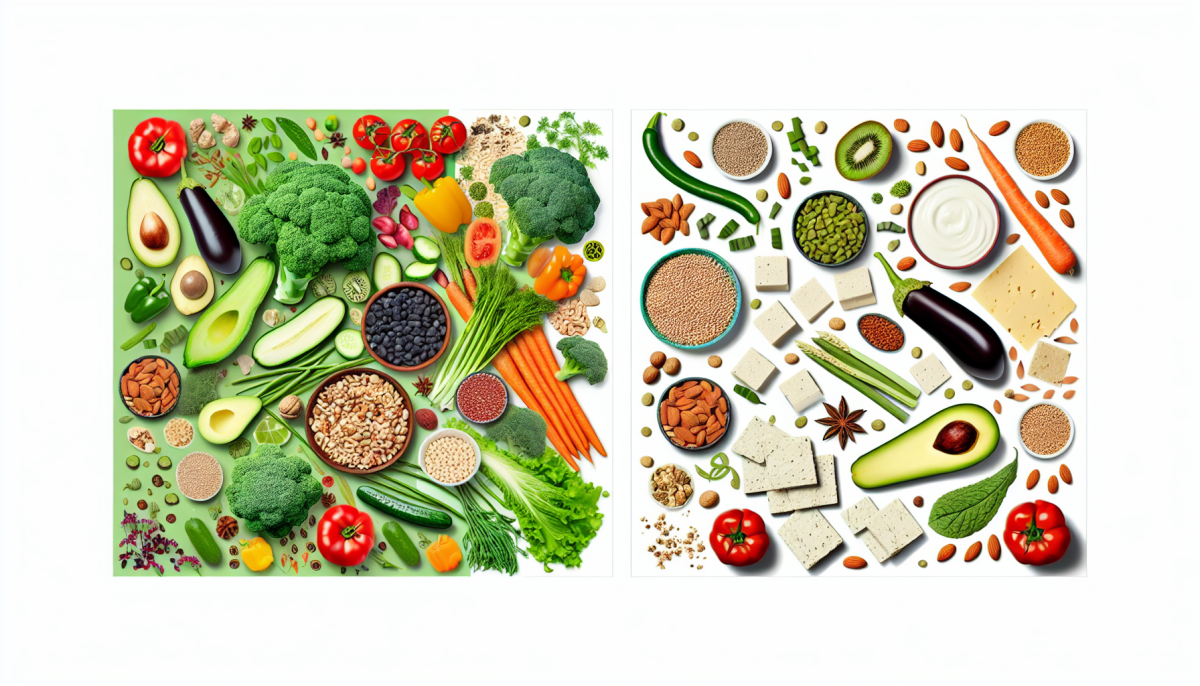
When people talk about vegan and plant-based diets, they often mix them up. It’s easy to see why! Both focus on plants, but they come from different angles. Let’s break it down.
A vegan diet avoids all animal products. That means no meat, dairy, eggs, and even honey. It’s more than just eating habits; it’s a lifestyle choice. Many vegans choose this path for ethical reasons, wanting to reduce harm to animals and the planet. They often look for vegan-friendly options in clothing, cosmetics, and more.
On the other hand, a plant-based diet focuses more on what you eat rather than a complete lifestyle switch. This diet is all about eating whole, unprocessed foods like fruits, vegetables, nuts, seeds, and legumes. People following a plant-based diet might still eat some animal products occasionally. Their main goal is often about health and well-being, like reducing the risk of chronic diseases.
So, while both diets emphasize plants, the motivations and restrictions can really set them apart. If you're considering making a shift, think about what feels right for you. Whether it’s ethical concerns or health benefits driving you, both paths offer delicious food options that can boost your meals and your life.
Core Principles of a Vegan Diet
A vegan diet focuses on eliminating all animal products. This means no meat, dairy, eggs, or honey. It's not just about food choices, though. Being vegan often goes hand in hand with a lifestyle that avoids animal exploitation in other areas like clothing and cosmetics.
On the flip side, a plant-based diet emphasizes whole, plant foods while allowing for some flexibility. You might find people who identify as plant-based occasionally indulging in non-plant foods. It’s less about strict rules and more about making healthier choices centered around fruits, vegetables, grains, nuts, and seeds.
Both diets share a love for plant power. They encourage eating nutrient-dense foods that can boost your health and wellness. Both are packed with benefits like lower risks of heart disease, better digestion, and improved energy levels.
Ultimately, your choice comes down to personal values and goals. Are you looking to make a strict lifestyle change, or are you aiming to include more plants in your diet? Either way, introducing more plant foods can lead you to a healthier and happier life!
Exploring the Plant-Based Lifestyle
The plant-based lifestyle is all about focusing on whole foods from plants. Think fruits, veggies, grains, nuts, and seeds. It's not just a diet; it's a way of life that emphasizes getting your nutrients from natural sources. You can enjoy delicious meals while being kind to your body and the planet!
Many people switch to a plant-based lifestyle for health reasons. Studies show it can lead to lower risks of heart disease, obesity, and diabetes. Plus, cooking with whole foods means you're eating less processed junk, which makes a big difference. You get tons of vitamins and minerals, helping you feel energized and vibrant.
But plant-based isn’t all about strict rules. You still get to enjoy your favorite foods, just with a twist! Ever tried a plant-based burger or creamy cashew cheese? They taste amazing! You can dive into different cuisines like Mediterranean, Indian, or Mexican, and find tons of scrumptious, plant-based options.
Community plays a huge role too! There are tons of blogs, social media groups, and local meet-ups where you can share recipes, tips, and support. It's super fun to connect with like-minded folks who are on a similar journey. Whether you're a newbie or looking to expand your cooking skills, the plant-based world is full of inspiration!
Health Benefits of Each Approach
When it comes to health benefits, both vegan and plant-based diets have some awesome perks, but they focus on different aspects. Let’s break them down.
A vegan diet cuts out all animal products, which means no meat, dairy, or eggs. This approach can lead to lower cholesterol levels and a reduced risk of heart disease. Plus, it often means higher fiber intake since you're loading up on fruits, veggies, and whole grains. Many people find that going vegan helps boost energy levels and improve digestion thanks to all that fiber.
On the other hand, a plant-based diet focuses primarily on whole, unprocessed plant foods but doesn’t necessarily eliminate animal products completely. The main goal is to get more plants on your plate. This can help with weight management and may lower the risk of chronic illnesses like diabetes. Since plant-based diets allow for flexibility, many find them easier to stick with long-term. You’ll still get plenty of nutrients and health benefits without feeling restricted.
Ultimately, choosing between vegan and plant-based comes down to what feels right for you. If you’re looking for a stricter lifestyle change, vegan might be the way to go. If you want to enjoy more variety while still boosting your health, a plant-based approach could be the perfect fit.