Transitioning to a plant-based diet does come with its fair share of challenges. For starters, finding enough variety in your meals can be tricky. You might realize you’re stuck in a rut, eating the same few items over and over. This can get boring fast, making it tough to stick with it.
Another hurdle is getting adequate nutrients. Some people worry about missing out on key vitamins and minerals, especially protein, iron, and vitamin B12. While a well-planned plant-based diet can cover these needs, it requires a bit of effort and knowledge. You’ll need to think more about food pairings and consider supplements for certain nutrients.
Dining out can also be a real test. Not every restaurant has great plant-based options. You might find yourself scanning menus, feeling frustrated when there’s just a single veggie dish or salad. It can be a drag when your friends want to hit a spot that doesn’t cater to your dietary choices.
Shopping for groceries can also take some extra time. Not all stores have a wide selection of plant-based products, especially less common ingredients. You could spend a lot of time searching for what you need, or even have to visit multiple stores to get your hands on pantry staples.
Social gatherings present another challenge. Friends and family might not understand your choice, leading to awkward moments at meals. You might end up bringing your own food or facing comments that make you feel uncomfortable. That's a lot to navigate when all you want is to enjoy good food with loved ones!
Nutritional Gaps to Watch Out For
Many people dive into a plant-based diet for all the right reasons, but it’s essential to be aware of some common nutritional gaps. If you’re making the switch, keep an eye on the following nutrients to ensure your meals are balanced and fulfilling.
Protein: Sure, plants have protein, but not all sources are equal. If you’re skipping meat, find good protein-packed foods like beans, lentils, chickpeas, tofu, and quinoa. Mixing different sources helps you get a complete amino acid profile, which is super important for your body.
Vitamin B12: This little vitamin is mainly in animal products, so if you’re going plant-based, you might need to supplement. Look for fortified foods like certain plant milks or breakfast cereals. Keeping an eye on your B12 is key for energy and nerve health.
Iron: Plant-based iron isn’t absorbed as well as the iron found in meat. Foods like lentils, spinach, and pumpkin seeds are great options, but pair them with vitamin C rich foods like citrus fruits or bell peppers to enhance absorption. Combining these can help prevent fatigue.
Omega-3 Fatty Acids: These healthy fats are vital for heart and brain health. While you can find some omega-3s in flaxseeds, chia seeds, and walnuts, consider adding an algae-based supplement. It’s a great way to make sure you’re getting enough!
Social Situations and Plant-Based Choices
When you’re eating plant-based, social situations can be a mixed bag. Friends and family might not always understand your choices, which can lead to awkward moments. Your aunt might raise an eyebrow when you skip the traditional meat platter at family gatherings, or your buddies might question why you’re opting for veggie burgers at the barbecue.
It’s all about navigating those tricky moments. If you know you’ll be at a party, give the host a heads-up. Offer to bring a dish. Think colorful salads, tasty dips, or fun vegan desserts. That way, you’ll have something you love, and you can show off how delicious plant-based eating can be.
Eating out is another challenge. Some restaurants don’t have the best plant-based options. You might find yourself scanning the menu and feeling stuck. Researching places ahead of time can save the day. Aim for spots with solid vegetarian or vegan choices. A quick look online can give you the scoop on menus and even help find places that focus on fresh ingredients.
And let’s be real, it’s not just about the food. It’s the conversations, too. You’ll run into questions or comments about your diet. You might hear “Where do you get your protein?” or “I could never give up cheese!” Instead of getting defensive, take a moment to share what you love about your choices. Talk about the delicious meals you make, the energy boost you feel, or how much you care about the planet. It can turn a tricky conversation into a fun exchange.
Cost Considerations for Plant-Based Diets
When folks dive into a plant-based diet, cost often creeps into the conversation. Many think that plant-based means less pricey groceries, but that’s not always the case. Organic veggies and specialty plant-based products can add up quickly.
Fresh fruits and vegetables are affordable, especially if you snag what's in season. Shopping at local farmers' markets can also score you some great deals. Plus, buying in bulk can save you money on grains, beans, and nuts.
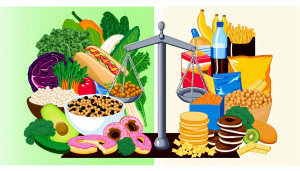
However, if you go for a lot of prepackaged or processed plant-based foods, your grocery bill can skyrocket. Things like plant-based milks, veggie burgers, and dairy substitutes all tend to be pricier than their animal-product counterparts.
Balancing your choices is key. Sticking to whole foods and a few easy recipes can keep your budget in check, making your plant-based journey not only healthier but lighter on your wallet too.