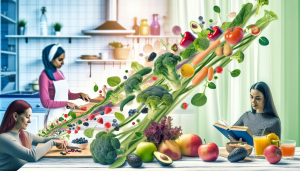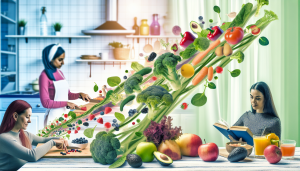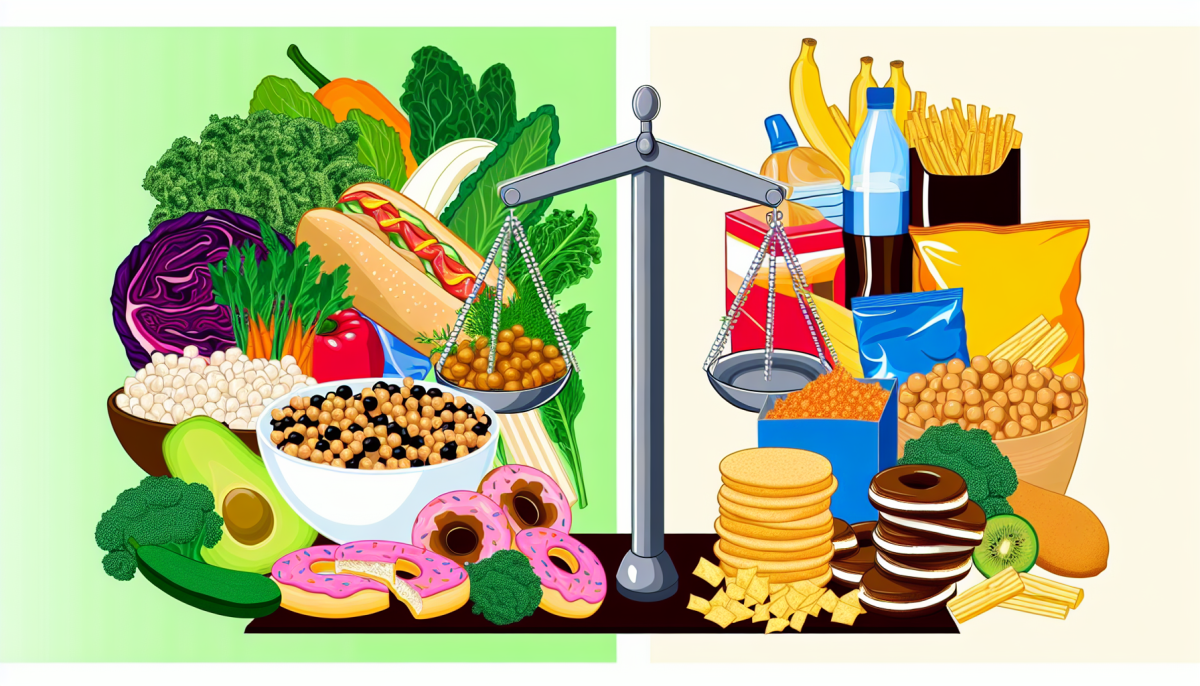
Switching to a plant-based diet comes with a bunch of perks that can help lower your chances of developing diabetes. First off, it’s packed with fruits, vegetables, whole grains, and legumes. This means you get loads of fiber, which keeps your digestive system happy and helps regulate blood sugar levels.
Another big win is that plant-based foods are often lower in calories and unhealthy fats. This can help you maintain a healthy weight, which is super important for diabetes prevention. When you fill your plate with colorful veggies and hearty grains, you naturally cut back on calorie-dense options.
Plus, a plant-based diet tends to be rich in antioxidants and phytochemicals. These little guys fight inflammation and may improve insulin sensitivity. Eating a variety of plant foods can give your body the tools it needs to handle sugar levels better.
Don’t forget about heart health! Many plant-based foods support a healthy heart, which is a big deal since diabetes can lead to cardiovascular issues. Choosing nuts, seeds, and oils like olive oil can boost your heart health while keeping your diet delicious.
Foods to Include for Diabetes Prevention
If you’re looking to keep diabetes at bay with a plant-based diet, you're in for a treat. There are plenty of delicious foods that can help you manage your blood sugar levels. Let's dive into some tasty options you shouldn't miss!
First up are whole grains. Think oatmeal, quinoa, and brown rice. These grains are packed with fiber, which helps slow down the absorption of sugar into your bloodstream. Plus, they’re super filling, so you won’t feel the need to overeat.
Don’t forget about legumes like beans, lentils, and chickpeas. They’re awesome sources of protein and fiber. Including these in your meals can keep you satisfied and help regulate your blood sugar. Toss them in salads, soups, or even make a tasty hummus for a snack!
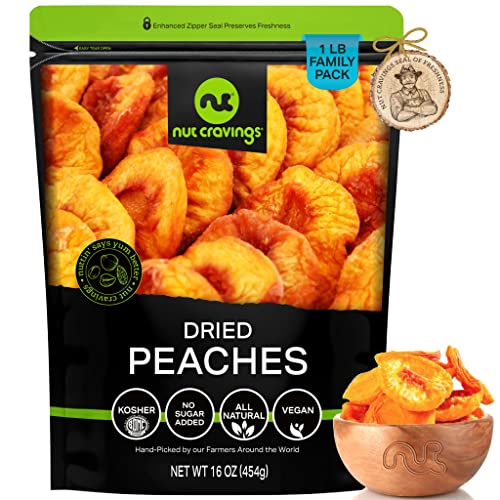
Fruits and veggies are a must, too. Load up on leafy greens, berries, and apples. They not only provide essential vitamins but are also low in calories and rich in antioxidants. Snack on raw veggies or whip up a smoothie with your favorite fruits for an energizing boost.
Lastly, nuts and seeds are game-changers. A small handful of almonds or walnuts can curb your hunger and provide healthy fats. Just watch your portions since they’re calorie-dense. Sprinkle them on your breakfast or mix them into your salads for an added crunch!
What Science Says About Plant-Based Eating
When it comes to plant-based eating and diabetes, the science is pretty clear. Research shows that ditching animal products in favor of fruits, vegetables, whole grains, and legumes can lower the risk of type 2 diabetes. These foods are packed with fiber and nutrients that help keep blood sugar levels stable.
A lot of studies have found that people who eat more plant-based foods tend to have lower body weight and less body fat. Maintaining a healthy weight is so important for preventing diabetes. Plus, plants are naturally low in saturated fats, which can mess with insulin sensitivity.
Another cool thing? Plant-based diets can also improve your overall heart health. Foods like beans, nuts, and avocados are great for your heart and help manage cholesterol levels. Good heart health is closely tied to diabetes prevention, so it’s a win-win.
Don’t worry if you’re not ready to go fully vegan. Even adding more plant-based meals into your week can make a difference. Each step you take toward more fruits and veggies can help reduce your diabetes risk. It’s all about making those healthy choices a little easier and tastier!
Easy Tips for Making the Switch
Thinking about switching to a plant-based diet to help lower diabetes risks? That's a great move! Here are some easy tips to get you started without feeling overwhelmed.
Start slow. You don't have to ditch all animal products overnight. Try going plant-based for just one meal a day, like a hearty veggie stir-fry for lunch or a filling bean salad for dinner. This way, you can ease into it and find out what meals work best for you.
Explore new recipes. There are so many delicious plant-based recipes out there that make eating veggies exciting! Check out blogs, YouTube channels, or cookbooks focused on plant-based cooking. Experiment with flavors and textures. You might discover a new favorite dish!
Stock your pantry. Fill it with beans, lentils, whole grains, and tons of fruits and veggies. Keep healthy snacks like nuts and seeds on hand to curb cravings and keep you energized. Having these staples readily available makes it much easier to whip up something tasty.
Connect with others. Join plant-based groups or find friends who are interested in the same lifestyle. Sharing tips, swapping recipes, and encouraging each other can make the transition smoother and a lot more fun!